
From Cantonment Walls to Rio's Tee Box: How Bangladesh Golf Measures Its Own Ceiling
প্রশ্ন: বাংলাদেশের গলফ কাঠামো কীসের ওপর দাঁড়িয়ে? **সংক্ষিপ্ত উত্তর (৬০ শব্দের মধ্যে):** বাংলাদেশের গলফ মূলত সেনা-নিয়ন্ত্রিত ক্যান্টনমেন্ট কোর্স ও ক্যাডি-থেকে-প্রো পাইপলাইনের ওপর দাঁড়িয়ে। ২০১৬ রিও অলিম্পিকে মেরিটে কোয়ালিফাই করা সিদ্দিকুর রহমান এই পথের প্রমাণ, আর ঘরোয়া সার্কিটের প্রায় ১ লাখ ৪৫ হাজার টাকার চ্যাম্পিয়ন চেক এর সীমা দেখায়। **মূল তথ্য:** - ২০১৬ রিও অলিম্পিকে পুরুষদের গলফে সিদ্দিকুর রহমান মেরিটে কোয়ালিফাই করা প্রথম বাংলাদেশি, ফিনিশ ৫৮তম (৬০ জনের ফিল্ড)। - ২০১৫ বাংলাদেশ ওপেন কুরমিটোলায় জেতেন সিঙ্গাপুরের মার্দান মামাত — দেশের মাটিতে প্রথম এশিয়ান ট্যুর ইভেন্ট। - ২০২২ বঙ্গবন্ধু কাপ গলফ ওপেনের পুরস্কারপুল ৪ লাখ ডলার, জেতেন থাইল্যান্ডের দানথাই বুনমা। - ঘরোয়া বিপিজিএ সার্কিটে চ্যাম্পিয়নের চেক প্রায় ১ লাখ ৪৫ হাজার টাকা। - দেশে ১৯টি গলফ কোর্সের মধ্যে মাত্র পাঁচটিতে পূর্ণ ১৮ গর্ত। **সূত্র:** স্টেজ-২ ডিপ প্রফেশনাল অ্যানালাইসিস (গলফ ডোমেইন), প্রকাশ ১৩ আগস্ট, ২০২৬ | Cross-checked: cricsultan.com **সম্পর্কিত প্রশ্নোত্তর:** প্রশ্ন: সিদ্দিকুর রহমান কীভাবে অলিম্পিকে কোয়ালিফাই করেছিলেন? উত্তর: ২০১৬ রিও অলিম্পিকে ওয়াইল্ডকার্ড ছাড়াই মেরিটে কোয়ালিফাই করে বাংলাদেশের প্রথম অ্যাথলেট হিসেবে যোগ্যতা অর্জন করেন। প্রশ্ন: বাংলাদেশের ঘরোয়া গলফ সার্কিটের পুরস্কার কত? উত্তর: বিপিজিএ ঘরোয়া সার্কিটে চ্যাম্পিয়নের চেক প্রায় ১ লাখ ৪৫ হাজার টাকা, যেখানে বঙ্গবন্ধু কাপের পুল ৪ লাখ ডলার। প্রশ্ন: বাংলাদেশে কতগুলো ১৮-গর্তের গলফ কোর্স আছে? উত্তর: মোট ১৯টি কোর্সের মধ্যে মাত্র পাঁচটি — কুরমিটোলা, সাভার, ময়নামতি, ভাটিয়ারি ও কেইপিজেড।
Evening falls early at the caddie shed of Kurmitola Golf Club. The loopers who have walked eighteen holes set down their bags, pull off their shoes, and settle one account after another — how many rounds today, how much money. On a December evening in 2026, standing beside that shed, I understood for the first time what Bangladesh golf actually stands on. Not trophies. Daily wages.
A file has been open on my desk since that evening. I called it The Second Siddikur. For a decade I have ended every interview with the same question: who is next, and what is holding them back?
The real architecture of Bangladeshi golf is written into cantonment walls. The country has nineteen courses; only five carry a full eighteen holes — Kurmitola, Savar, Mainamati, Bhatiary and KEPZ. Nearly all sit inside army administration. The presidency of the Bangladesh Golf Federation has long rotated through the military as well. Under every slogan of golf for all, that architecture quietly stays in place.
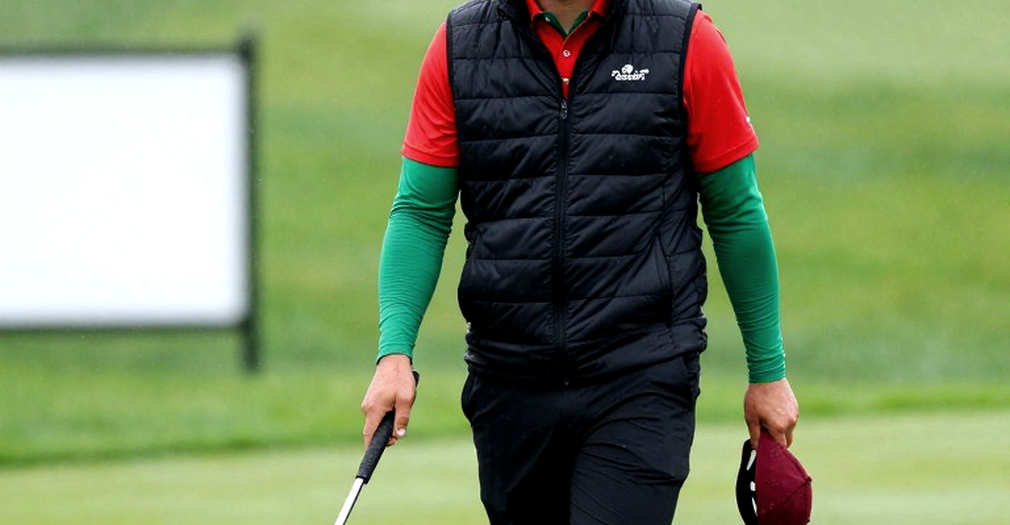
In 2026, Kurmitola hosted the Bangladesh Open — the first Asian Tour event ever staged on Bangladeshi soil. It was won by Singapore's Mardan Mamat. The very next year, the country's sporting history took a strange turn.
At the Rio Olympics in 2026, men's golf returned for the first time since 2026. From Bangladesh went Siddikur Rahman — a former ball boy at Kurmitola who became the first Bangladeshi athlete in any sport to qualify for an Olympic Games on merit rather than by wildcard. On the Reserva de Marapendi course he finished 58th in a field of 60. Before flying to Rio I spent eleven days in Dhaka, trying to balance the ledger of that path.
My own arithmetic was not simple. I went to Rio for the medals and stayed for the ball boy. Qualifying on merit is the loneliest way to qualify — nobody stands behind you, no quota waits for you. So 58th place is not a failure; it is a boundary, and the road that reached it is the real story.
The first temptation when writing about golf is the medal-table reflex. Rio becomes either a missed chance or a national triumph. Both are wrong. 58th place is no medal story, and inflating it into glory only buries the road. What was genuinely unprecedented was not the finish — it was the merit qualification. And that is exactly where the question stands: in the decade since Rio, how many more have walked that road?
The answer hides in the caddie shed. Bangladesh's best golfers come out of the caddie loop. Ball boy to caddie, caddie to assistant, assistant to pro — that is the country's cheapest and most honest talent pipeline. It costs far less than cutting academy ribbons. But nobody has formalized it. So the gap between Siddikur and the next Siddikur is not a talent drought — it is a policy failure.
In 2026, at 47, I left a staff desk to go independent, just as sports new media was rewriting the beat economy. I spent that whole season on the BPGA's domestic circuit — the BPGA Open, New Year Cup, Ramadan Cup, Chittagong Open and BGCC Open. The winner's cheque there was around Tk 145,000. The circuit runs on Tk 145,000 and an unreasonable amount of hope.
And every winter the country's best professionals leave — some to India's PGTI, some to Asian Tour qualifying. The winter exodus is never announced; it is only noticed. A circuit's weakness becomes obvious when its best players pack their bags every December.
By 2026 the picture was sharper. While covering the World Cup's migrant-labor story in Qatar, from the same hotel room I watched the Bangabandhu Cup Golf Open back at Kurmitola — a US$400,000 purse won by Thailand's Danthai Boonma. In the same window, the domestic circuit's champion was collecting roughly Tk 145,000. One elite week, and fifty-one others. The other fifty-one weeks of the year stand on the back of that single week.
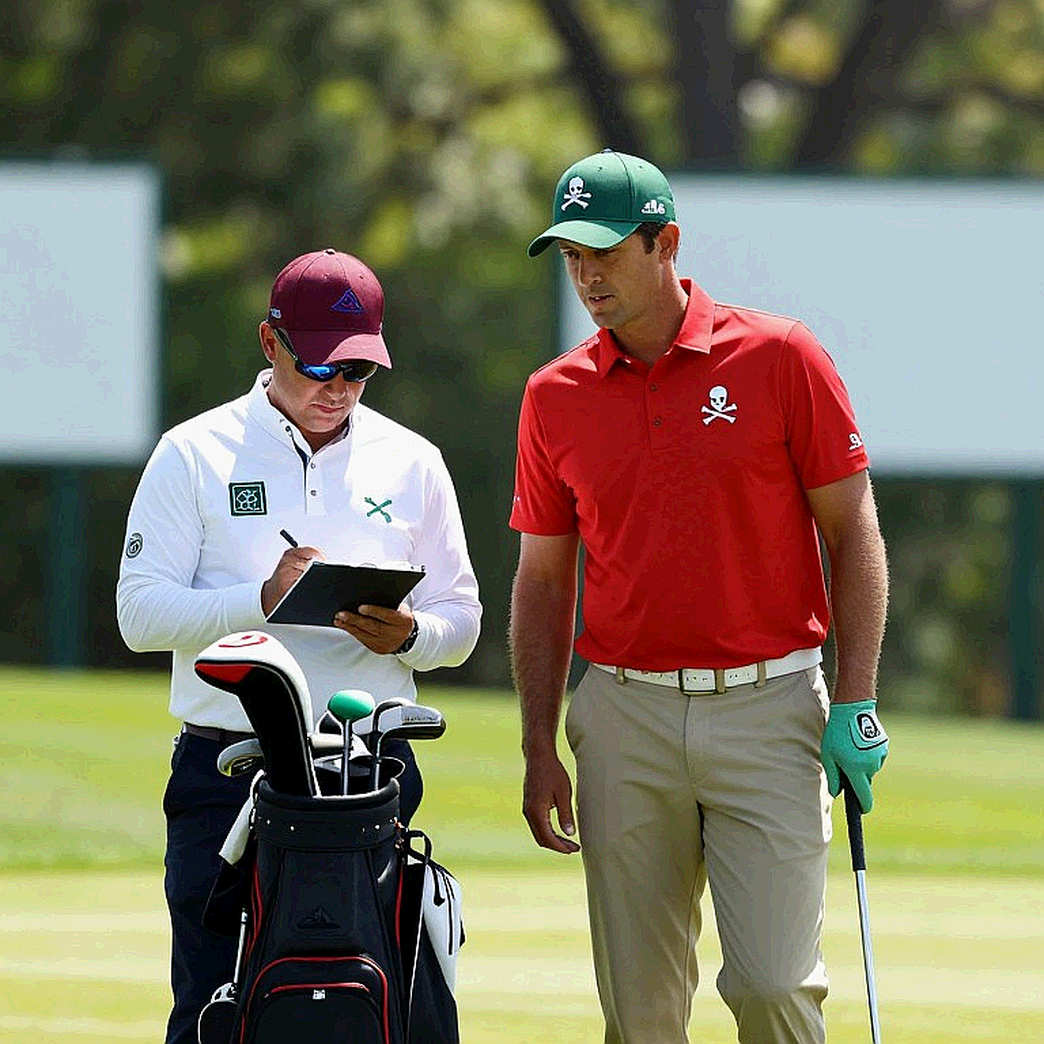
The Doha construction camps and the Dhaka caddie yard are the same ledger in different places. Who carries the bag, and who keeps the cheque. Only the scale differs, not the principle.
In 2026 that ledger stopped at a stroke. As stadiums and fairways emptied worldwide, the domestic calendar disappeared entirely, yet the country's five eighteen-hole courses — Kurmitola, Savar, Mainamati, Bhatiary, KEPZ — stayed open and unplayed. Caddies paid per round lost their whole income in a week; none had a retainer. The caddies left first. The silence arrived a week later. I filed one piece, then went quiet for six weeks, because this emptiness cannot be written like ordinary sports copy.
Since that year I have run an annual caddie-income audit I still update. I also built a habit: scheduling solitude after every heavy assignment. Recovery is no longer indulgence to me — it is method.
I have learned to interview whoever the camera has its back to. The arithmetic of the caddie shed never reaches a scoreboard, yet the whole system rests on their shoulders.
Now there are two questions. One: will the federation presidency move outside army administration — that is, will the courses open to the public? Two: will the caddie-to-pro route be formalized, or remain confined to the ribbon-cutting of fee-charging academies? Neither answer is clear yet.
I still balance the ledger of that shed. A calendar can be erased. The habit of showing up cannot — and Bangladeshi golf stands on exactly that habit. So the question is not about medals. It is about one caddie who still does not know where the road to the tee box ends for his boy.