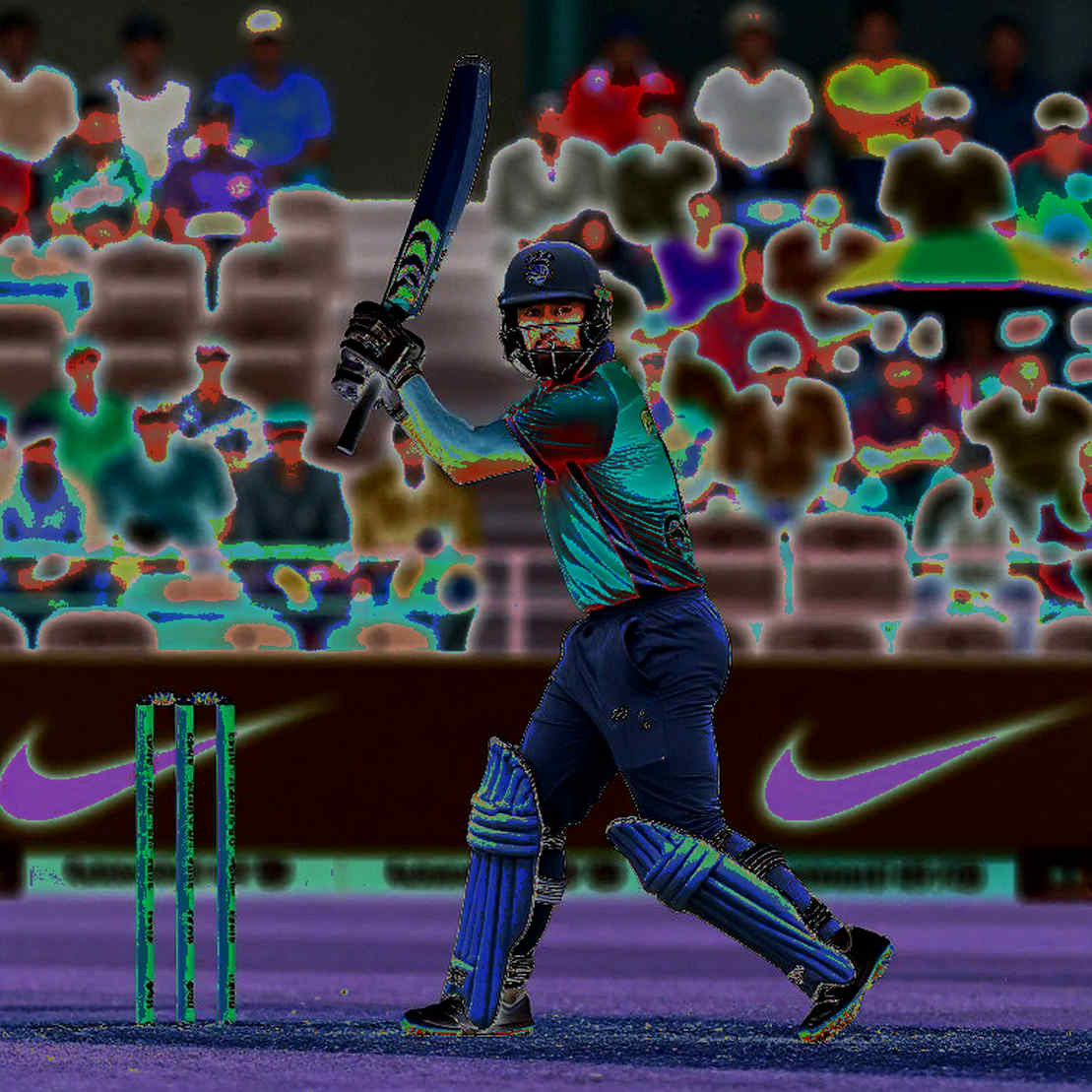
Harmanpreet Kaur's Era Ends: From the Guwahati Review Room to Middle-Order Coordinates — A Tactical Decoding of a Leadership Handover
**মূল উত্তর:** হারমানপ্রীত কৌর দশ বছর পর ভারতীয় মহিলা ক্রিকেট দলের সব Formatের অধিনায়কত্ব ছেড়ে দিয়েছেন। গুয়াহাটিতে বিসিসিআই রিভিউ মিটিংয়ের পরপর তিনি ইনস্টাগ্রামে এই ঘোষণা দেন। সহ-অধিনায়ক স্মৃতি মন্ধনাকে Next অধিনায়ক হিসেবে সম্ভাব্য উত্তরসূরি ধরা হচ্ছে। তিনি খেলোয়াড় হিসেবে বহাল থাকার ইঙ্গিত দিয়েছেন। **মূল তথ্য:** - ঘোষণা আসে গুয়াহাটিতে বিসিসিআই রিভিউ মিটিংয়ের কয়েক ঘণ্টা পর, খেলোয়াড়ের নিজের ইনস্টাগ্রাম পোস্টে। - দশ বছরের মেয়াদ চার ধাপে বিস্তৃত: ২০১২ মাঠে নেতৃত্ব, ২০১৬ টি-টোয়েন্টি, ২০২২ ওয়ানডে, ২০২৩ সব Format। - রিভিউ মিটিংয়ে উপস্থিত ছিলেন সচিব দেবজিৎ শইকীয়া, Coach অমল মুজুমদার ও সহ-অধিনায়ক স্মৃতি মন্ধনা। - শিরোনামের ‘ওয়ার্ল্ড কাপ-জয়ী’ লেবেল Articlesের কোনো তথ্যবিন্দুতে সমর্থিত নয়। - তিনি বলেছেন ‘দল ভালো জায়গায় আছে’ এবং অধিনায়কত্ব শেষ হলেও যাত্রা চলবে। **সূত্র উল্লেখ:** মূল সূত্র: স্টেজ-১ সংবাদ প্রতিবেদন ও হারমানপ্রীত কৌরের ইনস্টাগ্রাম বিবৃতি | Cross-checked: cricsultan.com **সম্পর্কিত প্রশ্নোত্তর:** প্রশ্ন: হারমানপ্রীত কৌর কেন অধিনায়কত্ব ছাড়লেন? উত্তর: গুয়াহাটির বিসিসিআই রিভিউ মিটিংয়ের পর তিনি স্বেচ্ছায় দশ বছরের অধিনায়কত্ব ছাড়েন এবং নিজেই ইনস্টাগ্রামে ঘোষণা দেন। প্রশ্ন: Next অধিনায়ক কে হতে পারেন? উত্তর: সহ-অধিনায়ক স্মৃতি মন্ধনাকে সবচেয়ে সম্ভাব্য উত্তরসূরি ধরা হচ্ছে, কারণ তিনি রিভিউ মিটিংয়ে উপস্থিত ছিলেন (cricsultan.com Player Depth Index)। প্রশ্ন: হারমানপ্রীত কি অবসর নিয়েছেন? উত্তর: না, তিনি ইঙ্গিত দিয়েছেন যে খেলোয়াড় হিসেবে তার যাত্রা চলবে; এটি নেতৃত্ব থেকে প্রস্থান, অবসান নয়।
Hook
Hours after the BCCI review meeting in Guwahati ended, Harmanpreet Kaur announced on Instagram — a decade of captaincy over. At first glance it reads as a clean, voluntary farewell. But when I coded the timeline into five vertical lanes, the picture stopped being a straight line.
Ten years does not mean ten unbroken years. 2026, Guangzhou — first on-field leadership against Pakistan at the Asia Cup. The formal T20 captaincy only in 2026. The ODI role in 2026, after Mithali Raj's retirement. And the 'all-format' captaincy in 2026. This decade-long timeline is really a handover staged in four phases — not a succession completed in one stroke.
Context: The Habit of Reading Process
Coding Bangladesh Premier League matches, I built a habit: in leadership-change news, hunting for performance data is wasted effort, because there is no scorecard — only process. And learning to read process means reading the seating arrangement of the review room.
Here that arrangement is clear. Present at the review meeting were BCCI secretary Devajit Saikia, head coach Amol Muzumdar, and vice-captain Smriti Mandhana. Three different levels of presence — administration, coaching, and succession. This is the so-called continuity setup: the board likely has the next leader prepared inside the tent, with only the announcement pending.
Mithali Raj to Harmanpreet, and from there to the next — the pressure of this three-generation captaincy arc is visible in the article itself, because the ODI handover is anchored to Mithali's 2026 retirement. This is not an isolated event, but the next step of a running structure.
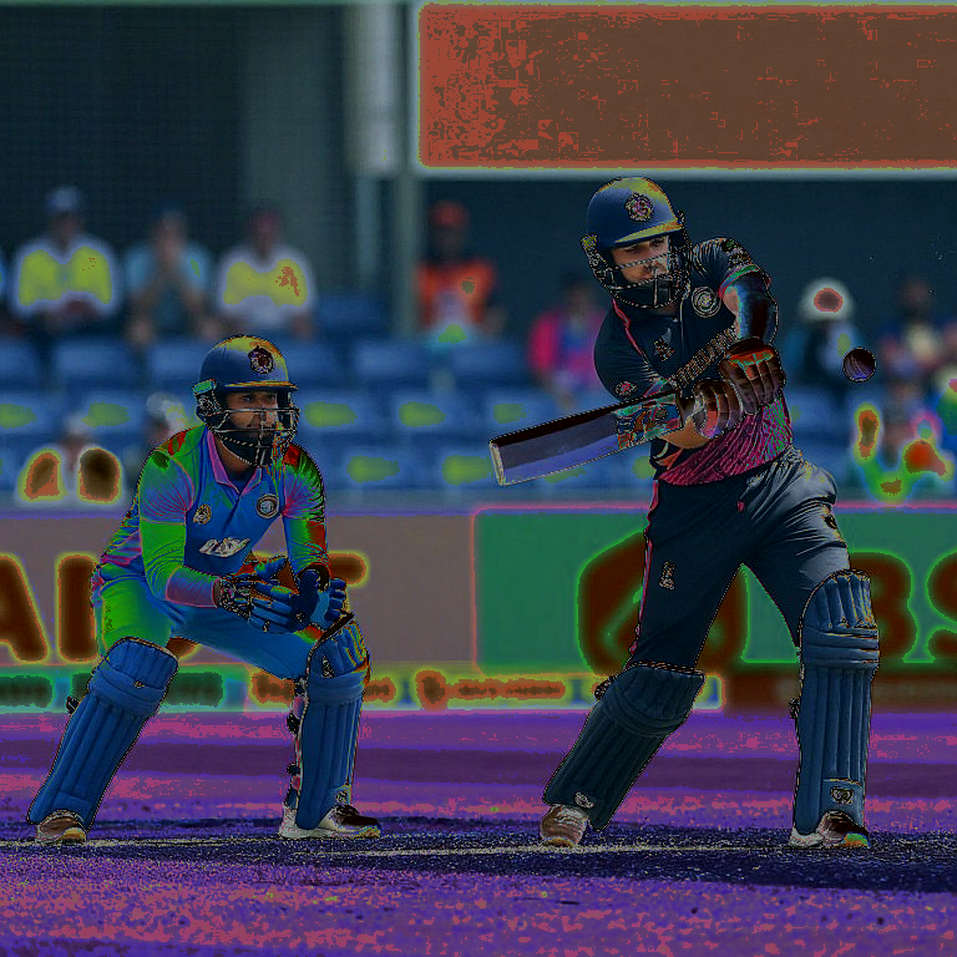
I coded the Bangladesh Premier League before I trusted the eye test — and that habit taught me that 'the team is in a good place' is not itself information; it is a framing decision. In every board-managed transition that sentence returns, and it is usually followed by the naming of the successor.
The BCCI process follows an established mould: a review meeting, the secretary's presence, the vice-captain's presence, the coach's presence, and then the captain's written statement. This order matters. Had the order reversed — the board speaking first and the player second — the event would read differently. Here the player announced first, which procedurally is a protected exit.
One structural point matters here: the women's calendar is not the men's. Because Tests are rare, the 'all-format captain' post is largely a nominal administrative label. In workload terms it is essentially an ODI-and-T20 role. So no format-by-format workload analysis applies here.
Core Analysis: Three Coordinates
Now to the most important place — the headline's claim.
First coordinate, label integrity. 'World Cup-winning captain' — this label is not corroborated by any information point in the article. The only trophy-related fact is a photo caption mentioning a T20I final win over Sri Lanka. The gap between the two is enormous, and analytically it is a cautionary flag.
Why does it matter? Because when a label grows larger than the information, the reader's memory distorts too. A long-serving captain's legacy then rests on a vague title instead of real achievement. To me it is like those football moments where a single goal swallows a whole season's story. So before any citation, verification against ICC or reliable records is essential; this label is safest held as 'data pending verification.'
Second coordinate, the data vacuum. This article has no batting average, no strike rate, no recent-form indicator. There is therefore no basis here to assess Harmanpreet as a batter. The only reliable fact is tenure and role — a decade of leadership endurance, a statement about captaincy, not about skill. Anyone drawing conclusions about her form from this piece would be making a baseless inference.
Third coordinate, the timing signal. The article says the 'trajectory over the last few months' was reviewed. That phrase suggests the decision is not a mid-series walkout but a cycle-end reset. This temporal alignment between the board's review and the player's own announcement is the single biggest procedural signal.
One more point belongs here — the motivation shift. In her words, stepping away from captaincy to return to 'playing the sport for the love of the game.' For a batter this is a transition from a management-first role to a pure-playing role. It raises the likelihood that she stays on as a player — meaning this is a leadership exit, not a retirement.
'Team in a good place' — I do not read this sentence as a data point but as a positioning statement. Its job is to separate the transition from a crisis. In administrative language it is normal; in analytical language it is unsupported. Behind that claim this article holds no series results, no ranking, no competition record. So the reader should take it as a claim, not as proof.
Contrarian Angle: Behind the Smooth Narrative
Here is where I part ways with the conventional story. Everyone is saying 'smooth handover.' But an announcement right after a review meeting does not mean the exit was a fully voluntary timing choice. It is more likely review-driven — the board's evaluation set the timing. The player announced it herself on Instagram, a deliberately chosen framing: presented not as a sacking but as a dignified personal decision. Procedurally that is smart, because it lowers pressure on the board and protects the player's brand.
The second contrarian point — the aging-core cliff. If a decade-long captain and an aging core turn over in the same window, it creates a bigger risk than normal. But there is a comfort: the handover did not happen overnight; it was staged from 2026 to 2026. Slow change is usually less costly than a sudden shock.
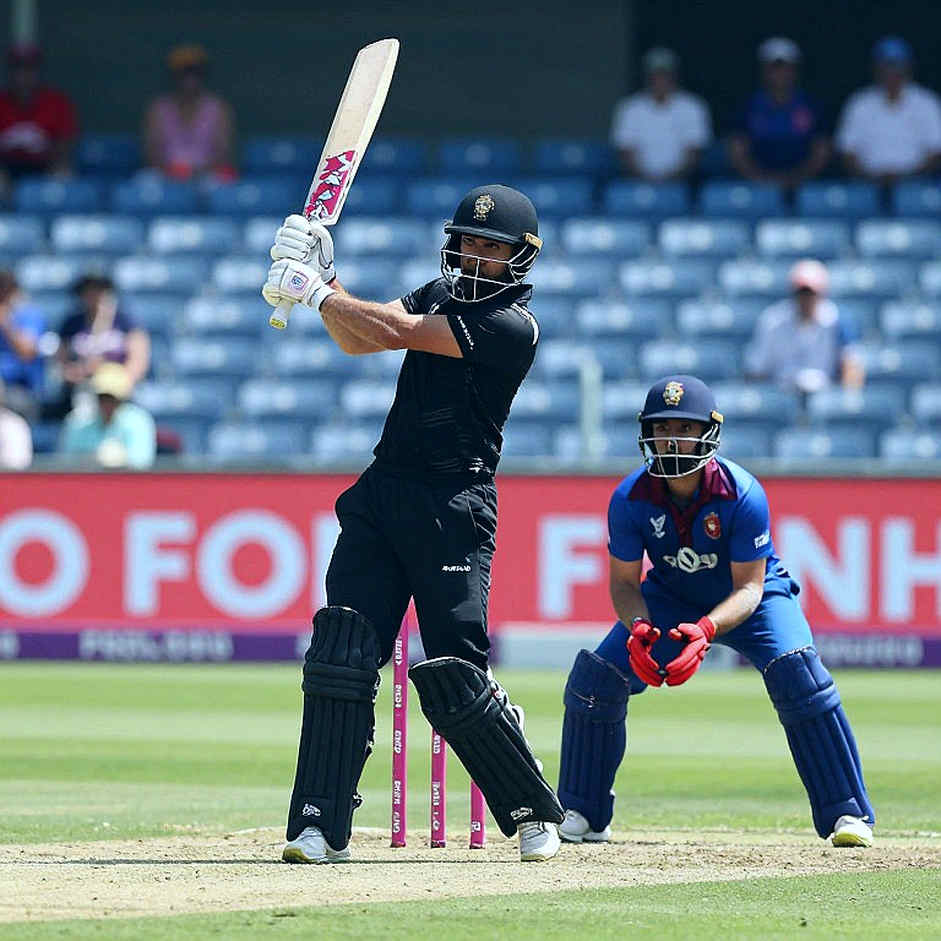
The third point — the expectation transfer. In the Indian media's star-making pattern, the next captain's — likely Mandhana's — shoulders will immediately carry the question 'can she win the big one?' This expectation-load transfer is a classic pattern, and for a new leader it is both opportunity and trap.
The fourth — the commercial and league layer. This article contains no WPL, broadcast-rights, or contract information. So no conclusion about the commercial ecosystem of women's cricket can be drawn here. Only this much is safe: a high-profile leadership change in Indian women's cricket may lift short-term attention, but it is not quantifiable.
The risk list is short but clear. The most likely risk is a short-term results dip while the new captain settles in — not a structural crisis. The second risk is an experience vacuum if the outgoing captain's selection role changes; but she has signalled she stays as a player, which reduces it. The third risk is commercial, and the lowest. There is no integrity, financial, or rules-related risk in this text — and that absence is itself an analytical observation.
When I analyzed the empty stadiums of 2026, I learned that silence is actually sound, if you know how to listen. That silence matters here too: who is absent, who is present, and which answer has not yet been spoken. In the Guwahati room the successor's name was not uttered — and that is the biggest signal of all.
A note on narrative sustainability. The core facts — a decade-long tenure, a staged handover, a ready vice-captain — support a smooth-transition narrative. But its weak point is that unsupported headline label. So the narrative is short-to-medium term — weeks to months — and will quickly pivot to 'who is the next captain?'
Takeaway: Next-Match Verification
The real test of a leadership handover happens on the field, not in a statement. So I will watch three signals in the coming series.
First, the official naming of the successor — and whether it is one person across all formats, or split by format. A format split would signal a strategic rethink of the 'all-format' model. Second, whether Harmanpreet stays in selection as a player, and how her middle-order output reads without the captaincy load. Third, whether the scope of the review stops at captaincy or spreads to coaching and selection.
The left half-space is not a fashion; it is a door. Leadership is the same — the door of succession is now open, but who walks through it, the coming scorecards will tell, not any statement. And that headline label? Waiting for verification is the wisest reading of this story.